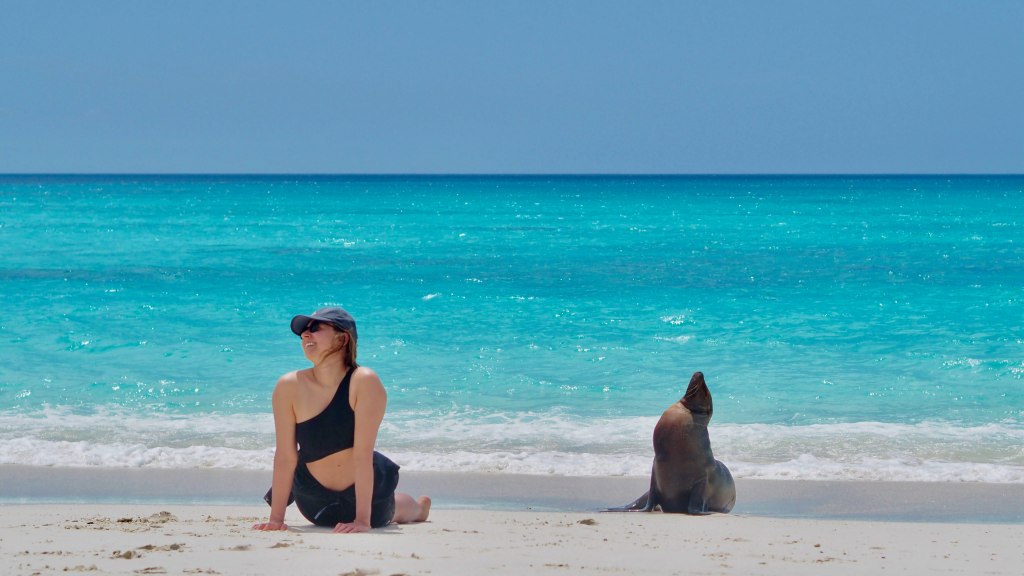
Back in March of 2024 my cousin asked if I wanted to take a trip to the Galápagos Islands two months later in May. I hadn’t heard of the Galápagos since I learned about Darwinism in sixth grade and, frankly, I didn’t know it was a place people traveled to. The proposed trip was a ten day expedition on the National Geographic Endeavour II. National Geographic takes care of every detail from touchdown in Guayaquil, Ecuador til the day you leave. Excited by the prospect of my phone, and my brain, going on airplane mode for ten days, I was in.
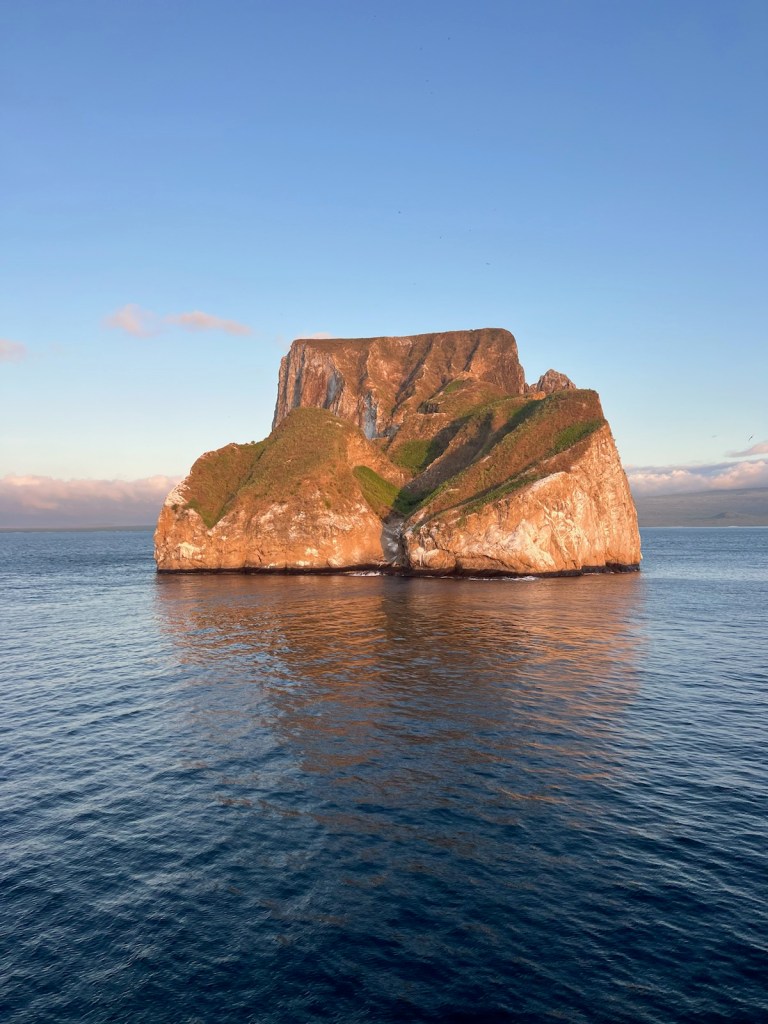

Being a natural born planner who usually plans every trip detail, when someone else wants to take the planning reigns, I am more than happy to sit back and show up where and when I’m told. Two larger trips I have taken that I did not plan – Africa and the Galápagos Islands – have turned out to be my favorite. They are some of the most unique places I’ve been and were centered around viewing exotic animals living in their natural habitats which I didn’t know I’d love. I’ve learned that when an opportunity comes up that you have not imagined, it may just turn out to be the best adventure yet.
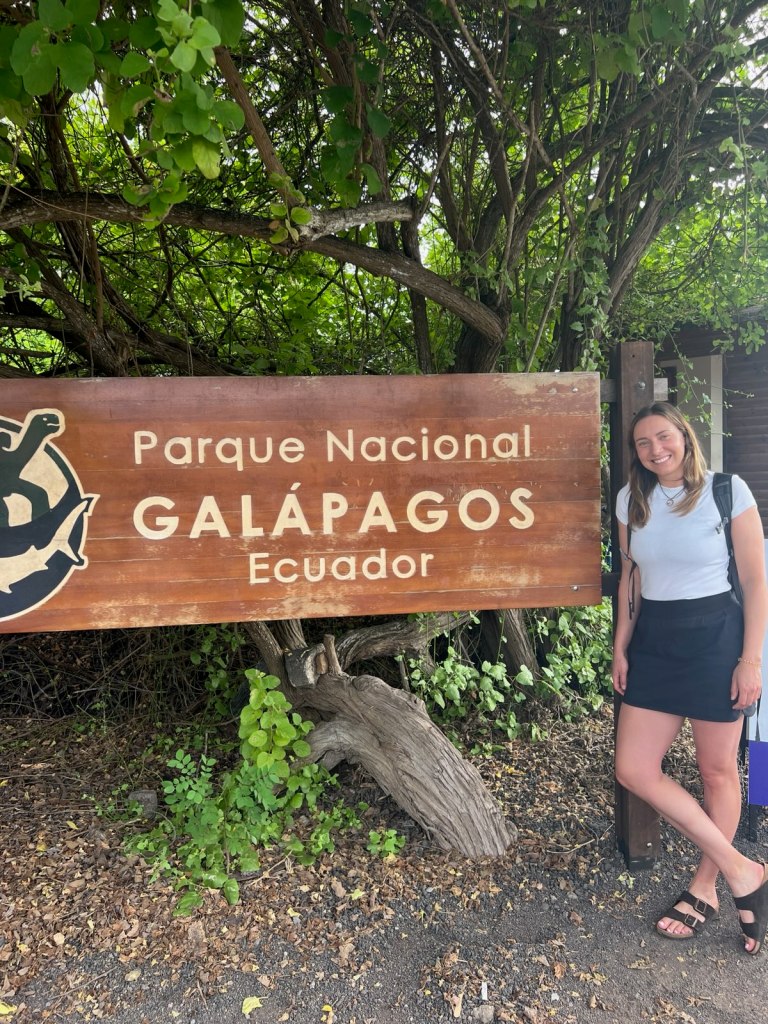
I want to highlight some of my favorite and most surprising parts of my time in the Galápagos Islands in this post. National Geographic did a phenomenal job planning and executing this trip. The next days detailed itinerary was delivered to your room along with chocolate the evening before. They filled each day with activities that kept you outside and off the boat for almost the entire day. My cousin and I made a point not to miss one.

A Little Info on the Galápagos Islands
To get to the Galápagos, you take a two hour flight from Guayaquil, Ecuador. You can also take a boat but this journey can take three or more days. There are no single use plastics allowed in the Galápagos and there is extensive screening in customs when you arrive to ensure this rule is upheld. You are allowed to bring a full sized, reusable water bottle (with water in it!), through security in Guayaquil to support these efforts.
“The Galapagos archipelago is located about 1,000 km from continental Ecuador and is composed of 127 islands, islets and rocks, of which 19 are large and 4 are inhabited. 97% of the total emerged surface (7,665,100 ha) was declared National Park in 1959” (Source).
It is required that you accompany a naturalist to explore the uninhabited Galápagos Islands as they are protected and sit within the National Park. There was one naturalist on board the Endeavour II for every 8-10 people and they offered us a wealth of information everywhere we went. Multiple times a day, we broke into groups to head off on Zodiac boats taking us to various islands to hike, bird watch, view iguanas and tortoises, snorkel and explore. Similar to my experience in Africa, the local guides and people we met are what made this trip so special.

Ship Information: Sleeping on the Boat
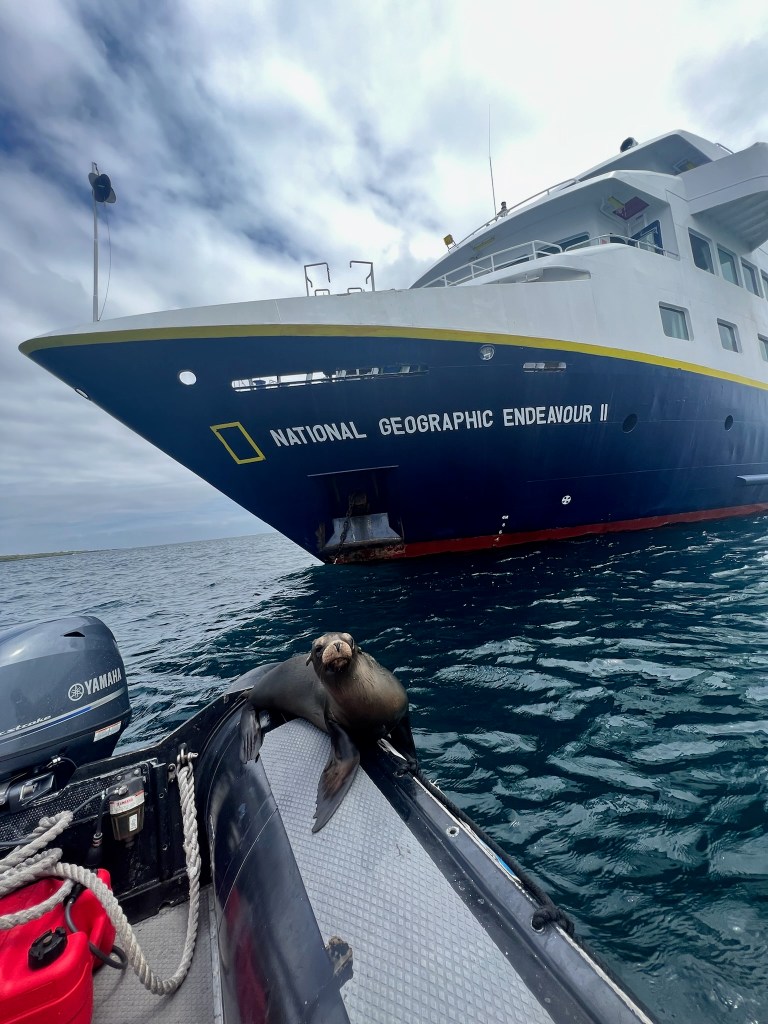
The Endeavour II is much smaller than a cruise ship with a capacity of 96 guests. There were 88 guests on our expedition and over the course of the ten days, you got to know everyone pretty well. The Endeavour sailed through the night to the various islands we would be exploring the next day. On the first night aboard, I awoke to the ship rocking quite heavily and I was certain we were going down like the Titanic. During my fits of panic and trying to convince myself we were safe, I barely slept. The next morning at breakfast the seas were calm and we had a gorgeous view of the first island we would be exploring, Española Island. It seemed I was the only one worried about the ocean’s motion the previous night and from that day on, I let the waves rock me to sleep.


Ship Information: Eating on the Boat
I’m no foodie and am usually happy with any meal someone makes me but I can confidently say the food on board was very good! They used local ingredients and themed the meals to give the guests a new dining experience every day. I give the food five stars for presentation, plating, variety, and taste. The wait staff on board quickly knew your food preferences or restrictions and made the dining experience personalized and one to look forward to. My phone never ate first hence the lack of food pictures.

Birding
I have never been particularly interested in birds unless the bird is a bald eagle (or chicken for dinner!). Recently, I read in a birding book that birds are some of the only animals you can see and observe anywhere you are in the great outdoors. That means it’s a hobby most people can take up and I assume the more you learn about birds, the more interesting they become.
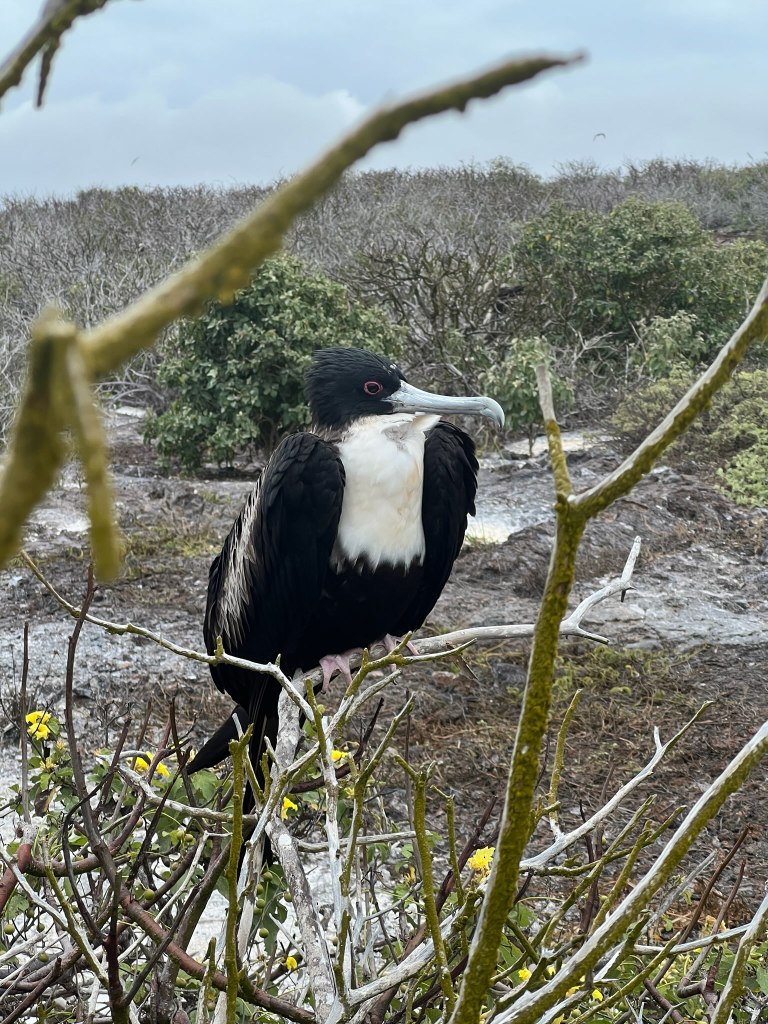
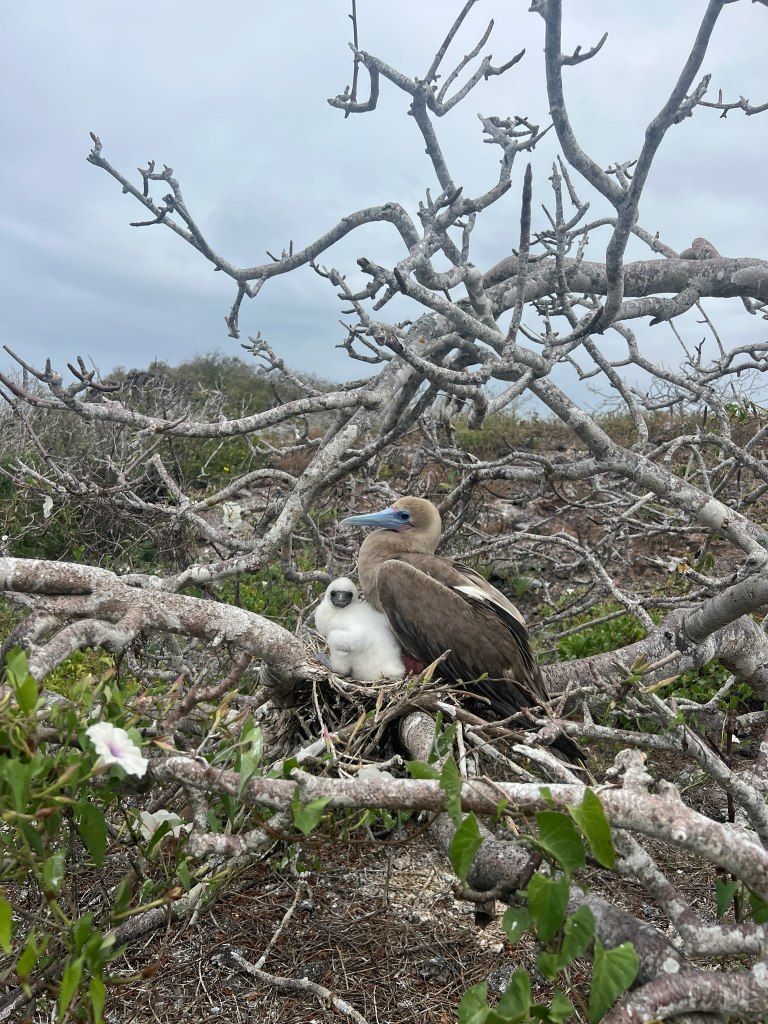
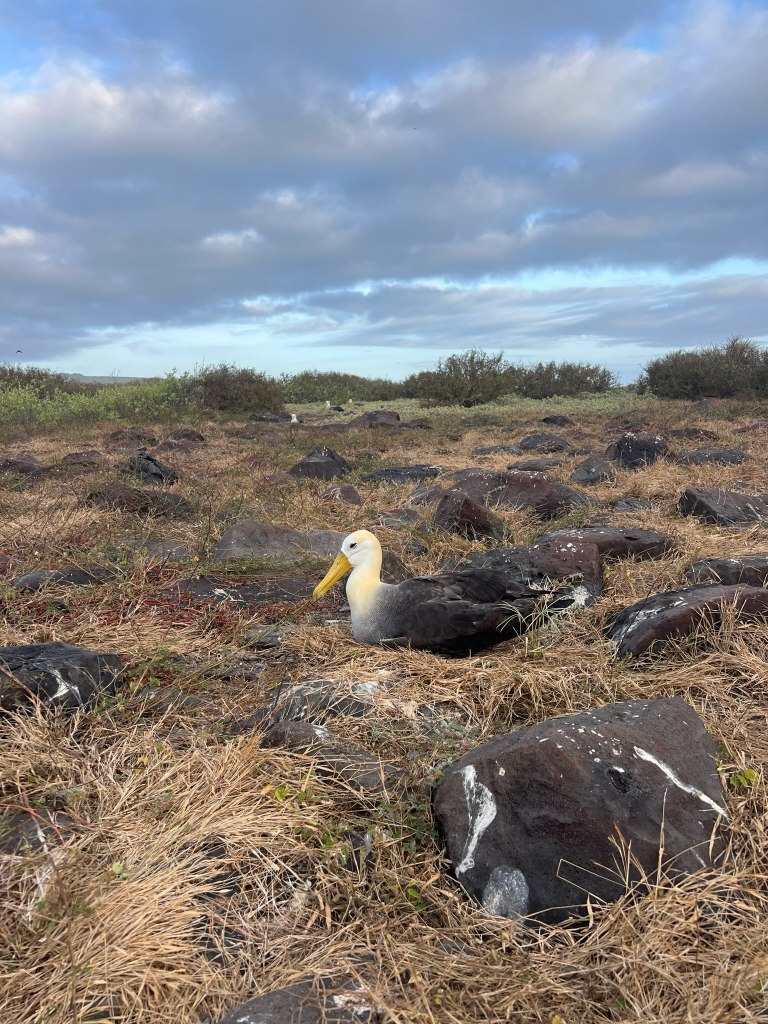
There are a lot of birds in the Galápagos and we happily birded for hours at a time. These birds included the infamous blue-footed booby (and all other booby species), the albatross (shoutout Taylor Swift), the frigatebird flaunting a brilliant red pouch called a gular sac, owls, penguins, Darwin’s finches, flamingos, hawks, pelicans, kingfishers, mockingbirds, warblers and many more. It’s safe to say, I am on my way to becoming an avid birder and have a whole new respect for our flying (and flightless) friends. Next up: Watching “The Big Year” and purchasing a pair of birding binoculars I probably won’t have on hand when needed!
Snorkeling
The activity I was most nervous for was snorkeling. I had only been twice previously but the real nerves came from me not being a strong swimmer. The only stroke I know how to do is a made up one I call “the frog” which does the job of keeping me afloat and moving in some direction for at least a bit of time. With many years of swim lessons as a child, this is all I have to show for it.
On the first day, everyone gathered their snorkeling equipment which included a wetsuit, flippers, goggles, snorkel and optional lifejacket. You kept the equipment the whole time as snorkeling was a daily activity. On the first day, I chose the snorkeling spot for beginners where I could touch the ground and figure out how to breathe through my snorkle, kick around and not drown. I had my lifejacket but seeing that no one else was using one, I ditched it. When I got in the water, I found that I was surprisingly buoyant. This was probably due to the salty water, my wetsuit, flippers and potentially aided by the delicious Brazilian cheese bread I ate each morning at breakfast. After the first two days I ditched the wetsuit and fit right in with the beautiful fish swimming with the sharks, turtles, penguins, stingrays, sea lions and seals. I explored caves and even learned how to flip backwards off the Zodiac boat into the water only losing my snorkel once! Snorkeling was a blast.

Giant Tortoises
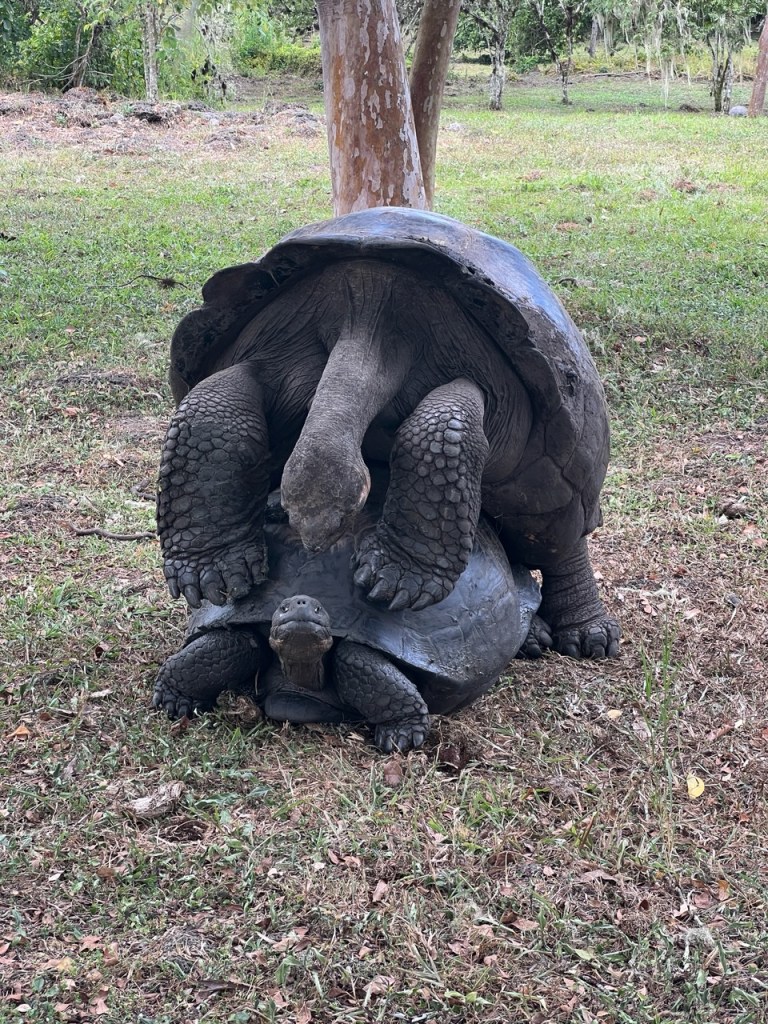
We saw the giant tortoises on Santa Cruz island in the highlands area which is where one of the largest populations of giant tortoises in the Galápagos exists. The giant tortoises arrived in the Galápagos through drifting on ocean currents or vegetation rafts for over 600 miles from South America. They can survive months without food or fresh water which allowed them to survive this journey.
Giant tortoises can live to be 100 to 200 years old and the males can weigh over 500 pounds. Everything a giant tortoise does is slow which means their patience must be legendary. Being a faster paced person myself, I was cheering them on in my head when I saw them accomplish any task. Watching a tortoise make its way to drink water only a few steps away and sticking its long tongue out to take a sip took a minute plus. It was invigorating when you saw them finally take that drink. Maybe slowing down is the key to longevity.

Naturalist Presentations
There were presentations about the wildlife and history of the Galápagos Islands two times per day. These were given by the Naturalists and were fascinating. My favorite fact I learned is that there is only one male sea lion per colony that breeds with all female sea lions in that colony (up to 30 females!). All male sea lions that do not have a colony go to an island called “Bachelor Island” where they eat and get strong with the goal of one day fighting to take over a colony. Naturally, I had many questions, and by Day 5, they jokingly told me I could ask no more.

Island Life & After Hours
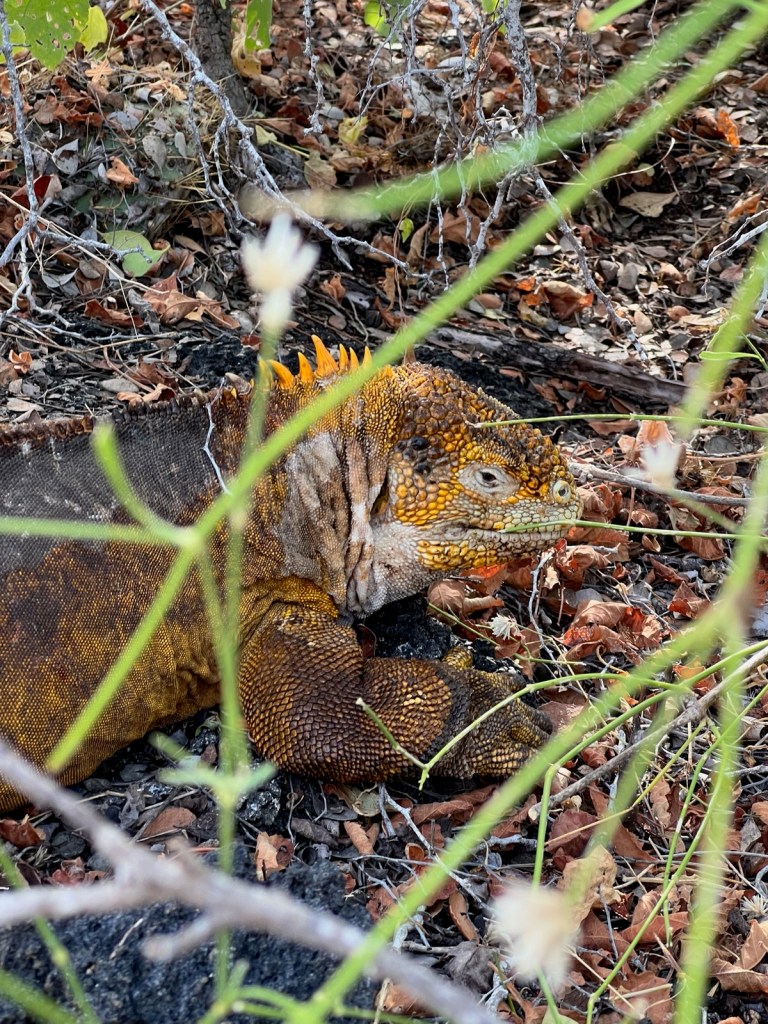
We visited coffee, cacao, sugarcane and fruit farms on Santa Cruz Island and explored the downtown area. We sang karaoke with the boat crew and stargazed in the middle of the ocean without light pollution. We mailed postcards from Post Office Bay (no stamp needed!). We drank coconut water from coconuts every chance we got and met the most amazing people in the one of the most interesting and beautiful places I’ve traveled to. At the end of our ten days, I wasn’t ready to leave. Words or pictures have a hard time doing the Galápagos justice so should the opportunity arise, I recommend saying yes to a trip to this beautiful and unique area.
Until the next tale… Happy trails.
-Hannah
 Tales of My Trails
Best trip! Loved reading this and going back down memory lane!!
LikeLike
Thank you, ily! Best trip with you!
LikeLike